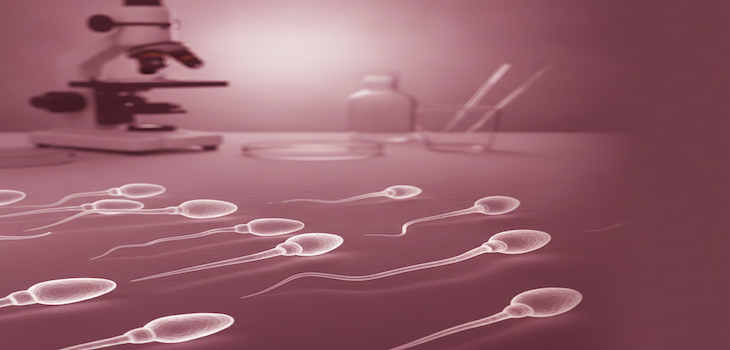
Many men first hear the term teratospermia after a semen analysis. The report may mention abnormal sperm shape, poor morphology, low normal forms, or sperm morphology below the expected range.
This can feel worrying, especially when the rest of the report is difficult to understand. Many patients search simple questions such as “What does abnormal sperm shape mean?”, “Can teratospermia be treated?” or “Can I still have a baby with poor sperm morphology?”
Teratospermia does not always mean pregnancy is impossible. It means that the sperm shape needs to be reviewed carefully along with sperm count, sperm movement, semen volume, medical history, and the female partner’s fertility assessment.
At Janini IVF, Delhi, semen analysis results are reviewed as part of a complete fertility evaluation. This helps the fertility clinic understand whether monitoring, medical treatment, IUI, IVF or IVF with ICSI may be suitable.
Teratospermia means that a higher number of sperm in the semen sample have an abnormal shape.
Sperm shape is also called sperm morphology. During a semen analysis, the lab checks how many sperm have a normal structure. A sperm cell is usually assessed by looking at the head, middle part and tail.
If many sperm have shape-related abnormalities, it may affect how well sperm are able to move, reach the egg or fertilise the egg. However, teratospermia should not be judged on its own. It needs to be understood with the full semen analysis.
Sperm morphology means the shape and structure of sperm.
A semen analysis may look at whether the sperm head, neck, midpiece and tail appear normal. These parts matter because sperm need to move properly and interact with the egg during fertilisation.
If the report says “poor sperm morphology” or “abnormal sperm morphology,” it usually means that the percentage of normally shaped sperm is lower than expected.
This does not always mean that no sperm can fertilise an egg. It means the result should be reviewed by a fertility specialist, especially if pregnancy has not happened after trying for some time.
Teratospermia can be one male fertility factor, but it is not the same as saying a man is completely infertile.
Male infertility may involve:
low sperm count
poor sperm movement
abnormal sperm shape
low semen volume
no sperm seen in the sample
hormone-related concerns
blockage or sperm production issues
Some men may have abnormal sperm shape but normal sperm count and movement. Others may have teratospermia along with low sperm count or poor motility.
This is why a fertility clinic will usually review the complete semen analysis before advising treatment.
Pregnancy may still be possible with teratospermia, depending on the rest of the fertility picture.
The chances may depend on:
how severe the morphology issue is
sperm count
sperm movement
semen volume
how long the couple has been trying
the female partner’s age
ovulation pattern
ovarian reserve
fallopian tube status
If sperm count and movement are suitable, and there are no major female fertility factors, some patients may still conceive naturally or with lower-intervention treatment.
However, if teratospermia is severe, if there are other sperm-related concerns, or if pregnancy has not happened after repeated attempts, IVF with ICSI may be discussed.
Abnormal sperm shape may affect fertilisation in some cases.
For fertilisation to happen, sperm need to move towards the egg, interact with the outer layer of the egg and support embryo formation after fertilisation. If many sperm have abnormal shape, this process may become more difficult.
However, sperm morphology is only one part of semen health. Count and movement are also important. A report showing abnormal morphology should be reviewed alongside the full semen analysis, not treated as a single final answer.
Teratospermia can have many possible causes. In some cases, the exact reason may not be clear.
Possible factors may include:
infections
varicocele
hormone-related concerns
smoking or alcohol use
heat exposure
certain medicines
previous surgery
genetic factors
uncontrolled diabetes or other health conditions
oxidative stress
lifestyle and environmental factors
Sometimes sperm morphology can vary between samples. This is why a fertility specialist may advise repeating the semen analysis before making treatment decisions.
Teratospermia may improve in some cases, depending on the cause.
If the abnormal morphology is linked to infection, varicocele, hormone concerns, lifestyle factors or other treatable issues, the fertility specialist may advise further evaluation and management.
Treatment may include medical review, lifestyle changes, treatment of infection, or referral for andrology/urology evaluation where needed.
However, not every case has a clear reversible cause. If teratospermia is severe or combined with other fertility factors, fertility treatment may be discussed instead of waiting too long.
Lifestyle changes may help support sperm health, especially when lifestyle factors are contributing to the issue.
A fertility specialist may advise:
stopping smoking
reducing alcohol
maintaining a healthy weight
avoiding excessive heat exposure
managing diabetes or other health conditions
reviewing medicines where relevant
treating infections if present
improving sleep and general health
These steps may be useful, but they may not be enough for every patient. If the couple has been trying for a long time, if the female partner’s age is an important factor, or if semen results are severely abnormal, treatment planning may need to move faster.
No, teratospermia does not always mean IVF is needed.
Some patients with mild morphology changes may be monitored or advised for further testing. In selected cases, IUI may be considered if the sperm count and movement are suitable, at least one fallopian tube is open, and other fertility factors are favourable.
However, IVF may be discussed if the semen analysis shows severe abnormality, if there are multiple male fertility factors, if IUI is unlikely to be suitable, or if previous treatment has not worked.
The decision depends on the full fertility assessment, not only the morphology number.
IVF with ICSI may be considered when sperm-related concerns make fertilisation more difficult.
ICSI is used during IVF. In ICSI, a single sperm is injected directly into an egg in the laboratory to support fertilisation.
IVF with ICSI may be discussed when there is:
severe teratospermia
very poor sperm morphology
low sperm count along with poor morphology
poor sperm movement along with poor morphology
previous fertilisation failure
limited number of eggs available
severe male factor infertility
ICSI is not separate from IVF. It is a fertilisation method used within IVF when additional support is clinically needed.
ICSI may be considered during IVF when sperm shape or other sperm-related factors may make fertilisation more difficult.
In a standard IVF cycle, eggs and sperm are placed together in the laboratory and fertilisation happens without injecting sperm into the egg.
In IVF with ICSI, a single sperm is selected and injected directly into the egg. This may be helpful when sperm count, movement or shape is affected.
Whether ICSI is needed depends on the semen analysis, previous treatment history, egg number, and the couple’s overall fertility assessment.
Patients often search whether abnormal sperm shape can cause miscarriage. The answer is not always simple.
Sperm health can play a role in fertilisation and embryo development, but miscarriage can happen for many different reasons. These may include embryo chromosome changes, age-related factors, uterine factors, hormone issues, medical conditions, or other causes.
If there is repeated pregnancy loss or repeated IVF failure, the fertility specialist may advise a wider evaluation. Teratospermia may be reviewed as part of this assessment, but it should not be assumed to be the only reason.
Teratospermia may improve in some patients, especially if the cause is treatable or linked to lifestyle, infection, heat exposure or certain medical conditions.
Because sperm production takes time, changes may not appear immediately in a semen analysis. A repeat test may be advised after a suitable interval, depending on the clinical situation.
However, waiting may not be the best option for every couple. If the female partner’s age, ovarian reserve, duration of infertility or previous treatment history is a concern, a fertility clinic may discuss whether treatment should be planned sooner.
You should consider visiting a fertility clinic if a semen analysis shows poor sperm morphology, abnormal sperm shape, low sperm count, poor sperm movement, or repeated abnormal semen results.
A consultation may also be useful if:
you have been trying to conceive for several months without success
the semen analysis shows more than one abnormal result
there is a history of infection, surgery or varicocele
there has been previous fertilisation failure
IUI or IVF has not worked before
the female partner’s age or ovarian reserve is a concern
Male fertility testing is an important part of fertility care. It helps avoid delay and allows treatment to be planned based on both partners’ results.
At Janini IVF, Delhi, teratospermia is assessed as part of a complete fertility evaluation.
If you have been told you have abnormal sperm shape, poor sperm morphology or teratospermia, it is natural to have questions about what this means for pregnancy.
A structured consultation at Janini IVF can help review semen analysis, sperm count, sperm movement, sperm morphology, medical history and the couple’s overall fertility picture.
Based on the findings, the fertility clinic can guide whether monitoring, medical treatment, IUI, IVF or IVF with ICSI may be suitable for your situation.
Last reviewed by Dr. Rutvij Dalal on Jul 01, 2026
Your email address will not be published. Required fields are marked *
If you like to have more information, let us connect. Please fill in the form below to learn about your Fertility status or scheduling an appointment with us.