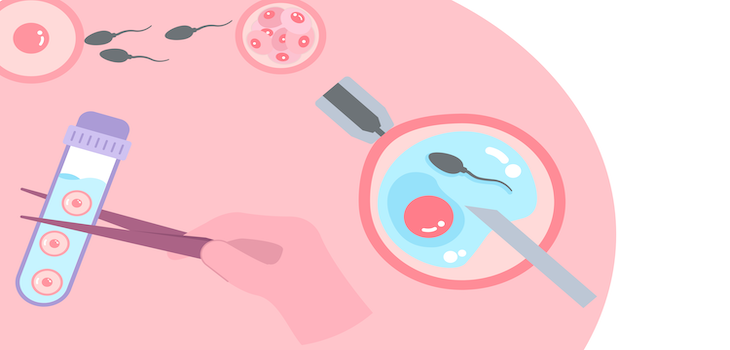
Egg freezing, medically known as oocyte vitrification, is an advanced fertility preservation technique that allows women to freeze and store their eggs for future use. At Janini IVF, this process empowers women to plan motherhood on their own terms, whether due to career, education, health, or personal circumstances.
With modern vitrification technology, the chances of egg survival, fertilisation, and healthy pregnancy are now highly successful. Janini IVF is one of the leading centres for egg freezing in Delhi NCR, offering this treatment with over 98% survival rates under the expert guidance of Dr Akanksha Mishra, a pioneer in cryopreservation in India.
Today’s women are clear about their goals, they know when and how they want to start a family. Many want to focus on their careers, education, or wait for the right partner. Others may be in relationships without long-term clarity, or simply wish to preserve their fertility before medical treatment or surgery.
Egg freezing is especially relevant if:
You are 24–38 years old and unsure about your partner or are currently single
You are in a stable relationship but prefer not to freeze embryos with a partner’s sperm
You are facing cancer treatment, which could impact fertility
You have a family history of early menopause or ovarian failure
You are undergoing surgery for conditions like endometriosis or ovarian cysts
You want to delay motherhood while maintaining fertility health
Egg freezing ensures that you can conceive with your own genetic eggs when the time is right, without pressure, regret, or dependence on others.
Fertility naturally declines with age due to reduced egg quality and quantity. The woman’s age is the single most important factor determining IVF success. Additionally, with increasing age, the risk of miscarriage and genetic abnormalities rises because of changes in egg structure and function.
This is why early egg freezing, ideally before 35, preserves better-quality eggs and improves your chances of success in the future.
Fertility is closely tied to age, and that includes both the quantity and quality of your eggs. As women grow older, their ovarian reserve declines, and the chances of chromosomal abnormalities increase. This can impact both natural conception and IVF outcomes later on.
As Dr. Rutvij Dalal notes,
“Freezing eggs in the mid-to-late 20s is ideal.”
At this stage, your eggs are at their biological peak, higher quality, greater fertilisation potential, and stronger embryo development. Freezing them early not only preserves this potential but also reduces the emotional and medical pressure of trying to conceive later in life.
By choosing to freeze your eggs proactively, you protect your future fertility while maintaining full control over when and how you become a parent.
Consultation with Janini IVF specialists Dr. Rutvij Dalal or Dr. Akanksha Mishra to assess fertility health and discuss goals
Ovarian stimulation begins on Day 1–2 of your cycle (or as medically advised) using hormonal medication
Monitoring involves 3–4 clinic visits over 10–12 days to track egg development
Egg retrieval is performed under anaesthesia in a quick, painless procedure
Vitrification: Mature eggs are frozen instantly using a flash-freezing method to preserve them without damage
At Janini IVF, vitrification is performed by certified embryologists using state-of-the-art technology. Eggs are stored in secure cryo-containers with 24/7 monitoring, alarms, and fault-resistant safety systems. They remain viable for as long as you wish to keep them stored,even over a decade.
For women under 38, Janini IVF recommends freezing at least 8 mature eggs to ensure a realistic chance of future success. With over 98% egg survival and 80% fertilisation rates, the program delivers one of the highest standards of care in Delhi NCR.
Yes. Oocyte freezing is a safe and well-established procedure. It does not affect your future natural fertility, and babies born through this technique are as healthy as those born through natural conception. Janini IVF follows global best practices, ensuring both safety and ethical standards.
Over a decade of experience in vitrification
Led by Dr. Akanksha Mishra, one of India’s most accomplished embryologists
Advanced lab technology and stringent cryopreservation protocols
Transparent consultations and ethical patient care
Egg freezing is not just a procedure, it’s an investment in future choice. With the right support and timing, it gives you control over your fertility without compromise.
Q1: Is there a best age to freeze eggs?
Yes — the mid-to-late 20s to early 30s is ideal. Egg quality declines after 35, so earlier freezing provides better outcomes.
Q2: How long can eggs be stored?
There is no strict time limit. Eggs can remain frozen for over a decade with no decline in quality.
Q3: What if I freeze eggs but never need them?
You can choose to discard them, donate them, or keep them stored — the decision remains yours.
Q4: Can I use donor sperm in the future?
Yes. Frozen eggs can be fertilised using your partner’s sperm or through donor sperm if you choose to become a single parent.
Q5: Is the egg retrieval process painful?
No. The procedure is done under anaesthesia and is typically painless, with a quick recovery time.
Last reviewed by Dr. Rutvij Dalal on May 01, 2025
Your email address will not be published. Required fields are marked *
If you like to have more information, let us connect. Please fill in the form below to learn about your Fertility status or scheduling an appointment with us.