Blocked fallopian tubes are one of the most common causes of female infertility. When both tubes are blocked, the sperm and egg can never meet, making natural conception impossible. At Janini IVF, Delhi, we help women understand why tubal blocks occur, how they affect fertility, and what the most effective treatment options are today.
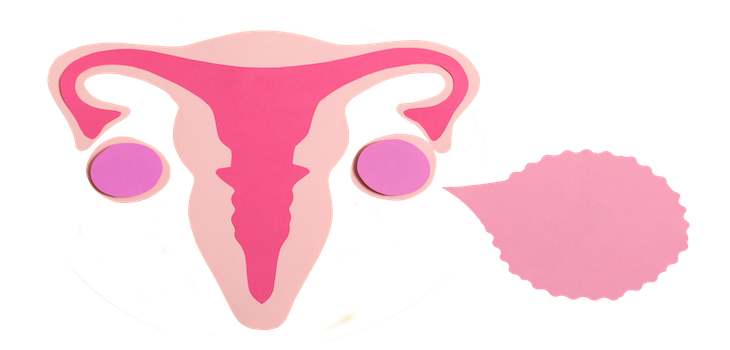
The fallopian tubes are slender, 10 cm-long structures that connect the uterus to the ovaries.
Each tube ends in delicate fimbriae, which “catch” the egg released during ovulation and guide it inside the tube.
Inside the tube are countless tiny hair-like cilia that help the egg and sperm move toward each other. Fertilisation normally happens inside the tube, after which the embryo travels to the uterus for implantation.
When the tubes are blocked, damaged, or the cilia stop working, fertilisation cannot occur.
As seen at Janini IVF, the most common reasons for tubal block include:
Previous sexually transmitted infections (gonorrhoea, chlamydia)
Genital tuberculosis
Endometriosis
Hydrosalpinx — fluid-filled tubes
Past pelvic surgeries
Previous sterilisation (tubal ligation)
Blocked tubes account for 35–40% of female infertility cases, making tubal factor infertility extremely common.
Most women have no symptoms at all. The only noticeable sign is often infertility.
Some may experience:
Pain in the lower abdomen
White vaginal discharge
Pain during intercourse
Ectopic pregnancy (if the tubes are not fully blocked but partially narrowed)
There are several effective methods used to detect blocked tubes:
A dye is injected into the uterus and X-ray images show whether it flows through the tubes.
If the tubes are blocked, the dye does not pass through.
Instead of dye, a special saline solution is pushed into the uterus. A transvaginal ultrasound is used simultaneously to visualise the tubes.
This method avoids radiation and is quick and convenient.
A telescope is inserted through the navel while blue dye is pushed through the uterus.
If dye spills out from the tubes, they are open.
If not, the tubes are blocked.
Laparoscopy allows direct visualisation of the uterus, tubes, ovaries, adhesions and endometriosis — and can be both diagnostic and therapeutic in the same sitting.
There are two major approaches:
This includes surgical correction or creating a new opening in the tube.
IVF bypasses the tubes entirely. Eggs are collected, fertilised in the lab, and embryos are placed directly in the uterus.
If the tube is filled with infected fluid, surgery to remove the tube is recommended before IVF to improve success.
At Janini IVF, you receive:
Expert evaluation by Dr. Dalal
Transparent diagnosis
Only necessary, evidence-based testing
Personalised treatment plans
Clear guidance on whether IVF is the best option for you
A compassionate team with excellent success rates
Last reviewed by Dr. Rutvij Dalal on Dec 01, 2025
Your email address will not be published. Required fields are marked *
If you like to have more information, let us connect. Please fill in the form below to learn about your Fertility status or scheduling an appointment with us.