Female fertility changes with age. This is primarily related to natural changes in the number of eggs available in the ovaries and in egg quality over time. While spontaneous conception becomes less common as age advances, pregnancy is still possible with appropriate medical evaluation and assisted reproductive treatment.
The decline in fertility with age is mainly due to two biological factors:
A gradual reduction in the number of eggs remaining in the ovaries
Changes in egg quality that affect fertilisation and embryo development
These changes occur in all women and are part of the natural reproductive ageing process. While lifestyle and general health play an important role in overall well-being, they cannot reverse egg ageing. Assisted reproductive techniques help optimise outcomes within these biological limits.
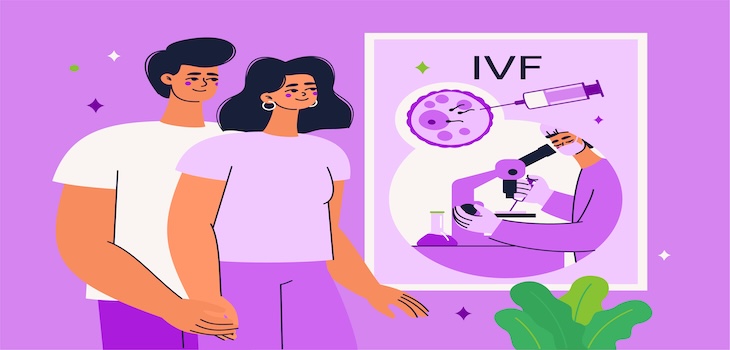
IVF is considered the most effective treatment option when age-related fertility changes limit the chances of natural conception.
At specialised centres such as Janini IVF, Delhi, IVF allows:
Controlled stimulation of the ovaries
Retrieval of multiple eggs in a single cycle
Fertilisation and embryo development under laboratory conditions
Embryo transfer at an optimal time
However, IVF protocols need to be individualised. Treatment is not about increasing medication doses, but about selecting strategies that are appropriate for ovarian response and overall reproductive health.
IVF using own eggs is always assessed first.
At Janini IVF, Delhi, before proceeding, fertility specialists evaluate:
Ovarian reserve using blood tests and ultrasound
Likely response to ovarian stimulation
Previous fertility history or IVF outcomes, if any
Uterine health and suitability for implantation
Some women may still produce a reasonable response and achieve pregnancy with their own eggs. In other cases, the response may be limited despite appropriate stimulation. These differences are biological and vary from person to person.
Repeated IVF cycles without reassessment are generally not advisable. Each cycle should provide information that guides the next step in treatment planning.
Donor egg IVF is discussed when evaluation suggests that the likelihood of success with one’s own eggs is low.
This may be due to:
Very low ovarian reserve
Poor or inconsistent embryo development
Repeated unsuccessful IVF attempts
Using donor eggs addresses the factor of egg quality, while the uterus continues to carry the pregnancy in the usual manner. Pregnancy, childbirth, and post-birth bonding remain the same.
At Janini IVF, Delhi, donor egg IVF is recommended only after detailed evaluation and counselling, and never as a first-line option without due consideration.
Outcomes depend on multiple factors working together, including:
Ovarian response to stimulation
Embryo development in the laboratory
Uterine receptivity
Rather than focusing on age alone, treatment planning at centres like Janini IVF, Delhi is based on the overall reproductive profile. Careful assessment and timely decision-making help avoid unnecessary physical and emotional strain.
IVF treatment is planned with:
Careful evaluation before starting treatment
Individualised stimulation protocols
Close monitoring and laboratory support
Clear communication at every stage
The objective is not to pursue repeated cycles, but to identify the most appropriate treatment pathway based on medical findings.
If you are considering IVF and would like to understand how age-related factors apply in your case, a detailed consultation is recommended.
At Janini IVF, Delhi, reports are reviewed thoroughly, treatment options are explained clearly, and recommendations are made based on medical suitability rather than assumptions.
Book a consultation at +919717996655 or +919773926655
Can IVF work after 40?
Yes, IVF can work after 40. Outcomes depend on individual factors such as ovarian reserve, egg quality, uterine health, and overall medical fitness. A personalised evaluation is essential.
Is IVF better than natural conception after 40?
In many cases, IVF offers a higher chance of pregnancy than natural conception because it allows controlled fertilisation and embryo development under laboratory conditions.
Can I do IVF with my own eggs after 40?
IVF with one’s own eggs may still be possible in selected cases. This depends on ovarian reserve, response to stimulation, and embryo development. Each case needs individual assessment.
When is donor egg IVF recommended after 40?
Donor egg IVF may be recommended when ovarian reserve is very low or when repeated IVF attempts with own eggs have not been successful.
Is there an age limit for IVF treatment?
There is no fixed age cut-off for IVF. Medical suitability and uterine health are more important than age alone.
Last reviewed by Dr. Rutvij Dalal on Mar 01, 2026
Your email address will not be published. Required fields are marked *
If you like to have more information, let us connect. Please fill in the form below to learn about your Fertility status or scheduling an appointment with us.