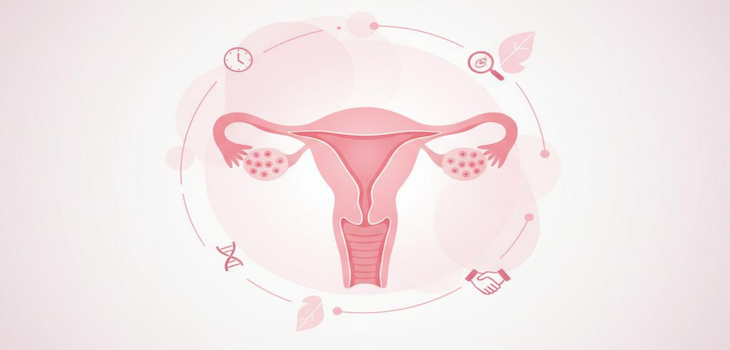
At our clinical practice, many patients come in with questions about terms they have seen while trying to understand fertility.
Seeing terms like PCOD, PCOS or hormonal imbalance together can feel confusing at first. Taking the time to understand how these relate to ovulation helps make the next steps clearer.
In this series, we address common questions that patients often have while trying to understand fertility and reproductive health.
PCOD, or Polycystic Ovarian Disease, is a condition where ovulation may not occur regularly due to hormonal imbalance.
Patients with PCOD may have irregular cycles, delayed ovulation or changes in hormone levels. In some cases, this can affect fertility, particularly when ovulation is not consistent.
This is a commonly searched term and refers to the same condition — Polycystic Ovarian Disease.
Patients often come across it while trying to understand irregular periods or delayed cycles. In practice, the focus is on how ovulation is affected rather than the term itself.
PCOD and PCOS are often used in the same way, but they may differ in how they present.
PCOD usually refers to irregular ovulation
PCOS (Polycystic Ovary Syndrome) may involve a wider hormonal pattern
For fertility, what matters most is how regularly ovulation is taking place.
PCOD affects fertility mainly through irregular ovulation.
When ovulation does not happen regularly, it becomes difficult to predict the fertile window. In some cycles, ovulation may not occur at all.
The focus of treatment is therefore on understanding the cycle and supporting ovulation where needed.
What is PCOD and how does it affect fertility?
PCOD affects ovulation due to hormonal imbalance. This can make conception more difficult if ovulation is irregular.
Is PCOD the same as PCOS?
They are related conditions and often used interchangeably, though there can be clinical differences.
Can PCOD be treated for fertility?
Yes. Treatment focuses on improving ovulation and managing hormone balance based on individual assessment.
Does PCOD always cause infertility?
No. Many patients with PCOD are able to conceive, especially with appropriate treatment and guidance.
Not all cases of PCOD affect fertility in the same way.
In many patients, ovulation can be supported with treatment, and conception is possible. The approach depends on individual findings and how cycles are functioning.
At Janini IVF, Delhi, ovulation patterns and hormone levels are assessed as part of fertility evaluation. Based on this, treatment is planned to support ovulation and improve the chances of conception where needed.
If you are trying to understand how PCOD or irregular cycles may be affecting your fertility, a consultation can help clarify your cycle pattern and guide the next steps.
Last reviewed by Dr. Rutvij Dalal on May 01, 2026
Your email address will not be published. Required fields are marked *
If you like to have more information, let us connect. Please fill in the form below to learn about your Fertility status or scheduling an appointment with us.