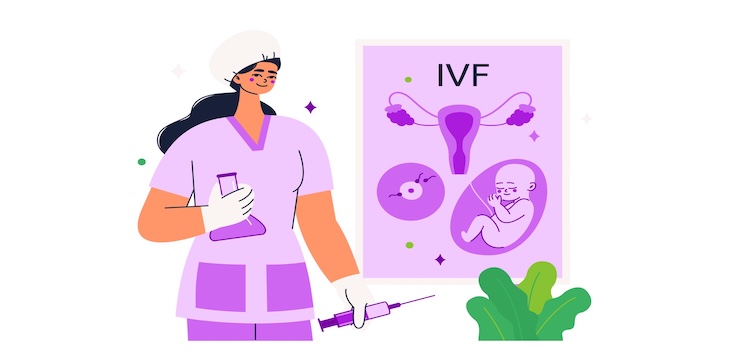
IVF is usually considered after a period of trying, evaluation or previous treatment. At this stage, it is common to have questions about whether the body is ready to begin the cycle and what, if anything, needs to be addressed beforehand.
Preparation before IVF is therefore not about following a fixed set of steps, but about identifying and addressing factors that may influence response to treatment and implantation.
IVF involves controlled ovarian stimulation followed by fertilisation and embryo transfer. The way the ovaries respond and the way the uterine lining develops can vary between individuals.
Reviewing these factors beforehand allows treatment to be planned more precisely. In many patients, no additional preparation may be required. In others, a short period of optimisation helps in ensuring that the cycle is started under appropriate conditions.
Hormonal balance plays an important role in IVF.
Thyroid function is routinely assessed, as even mild imbalance can affect ovulation and implantation. Other hormonal parameters are also reviewed, and where required, corrected before starting the cycle.
Similarly, metabolic factors such as blood sugar levels and overall health are evaluated. Where needed, these are addressed prior to treatment so that the body responds more predictably during stimulation.
Ovarian reserve and expected response to stimulation are key considerations before IVF.
Based on these findings, the stimulation protocol is selected. Some patients may require a more controlled approach, while others may require a different strategy to optimise response.
Planning this in advance helps in achieving a balanced ovarian response during the cycle.
The uterine lining is an important factor at the stage of embryo transfer.
If any factors affecting the uterine cavity are identified, they are addressed before proceeding with IVF. This helps in ensuring that the endometrium is receptive when the embryo is transferred.
Certain lifestyle factors may influence hormonal balance and general health.
Where relevant, simple adjustments in routine may be advised before starting treatment. These are individualised and depend on clinical findings rather than a standard set of recommendations.
Once evaluation is complete and any required adjustments have been made, treatment is started.
In many cases, this transition is straightforward. Where preparation is required, it is usually brief and aimed at ensuring that the cycle is undertaken in a planned and controlled manner.
Frequently Asked Questions
How do you prepare your body before IVF?
Preparation involves evaluation of hormonal balance, ovarian reserve, uterine health and general medical factors before starting treatment.
What should be done before starting IVF treatment?
A detailed assessment is carried out to understand factors affecting fertility, following which treatment is planned.
Does preparing the body improve IVF success?
Addressing correctable factors helps in planning treatment more effectively and supports a more predictable response.
Can IVF be started immediately?
In some cases yes, while in others a short period of preparation may be advised.
At Janini IVF, Delhi, preparation before IVF is guided by clinical findings and previous treatment history. Each case is reviewed individually, with the aim of starting treatment at the right time and under appropriate conditions.
Last reviewed by Dr. Rutvij Dalal on Apr 01, 2026
Your email address will not be published. Required fields are marked *
If you like to have more information, let us connect. Please fill in the form below to learn about your Fertility status or scheduling an appointment with us.