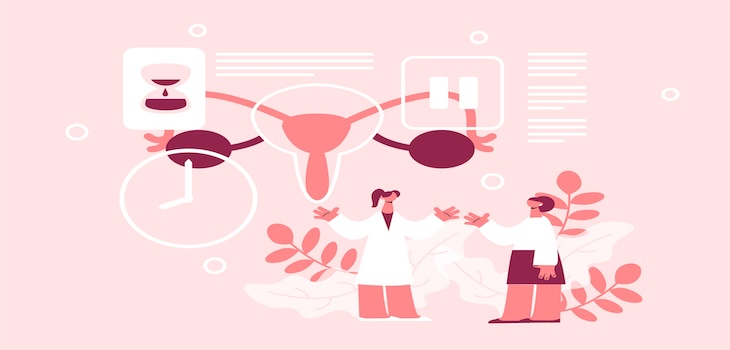
Uterine fibroids (also called leiomyomas) are one of the most common benign growths found in women of reproductive age. They affect 10–20% of women in their twenties and thirties, and this number increases to 40–50% in later years.
At Janini IVF, Delhi NCR, we frequently see fibroids in women facing infertility, and it is well established that women with fibroids may have more difficulty conceiving than those without them. Understanding the type, size, and location of the fibroid is essential to choosing the right fertility plan.
Fibroids are non-cancerous growths of the smooth muscle of the uterus. While they are common and often harmless, they can sometimes affect menstrual health, pregnancy, and fertility — especially when they distort the cavity of the uterus.
As shared by the specialists at Janini IVF, factors that may increase the likelihood of fibroids include:
Late marriages or delaying pregnancy into the thirties
Not breastfeeding after childbirth
Exposure to environmental toxins (like dioxins), certain medicines, or excessive estrogen exposure
Genetic or hereditary predisposition
No clear cause — many fibroids develop without any identifiable reason
Symptoms depend on where the fibroid is located, its size, and how many are present. Fibroids are broadly divided into three categories:
Located on the outer surface of the uterus
Usually cause no symptoms
If pedunculated (attached by a thin stalk), they may twist and cause intense sudden pain
Can occasionally “wander” in the abdomen causing infertility or intestinal obstruction
Found inside the uterine wall
Often considered the most harmless type
Large intramural fibroids (5–8+ cm) may cause:
Cramps
Heavy bleeding (menorrhagia)
Pressure symptoms like constipation or urinary difficulty
These are the most important fibroids in terms of fertility.
They can cause:
Irregular bleeding
Heavy periods
Infertility due to disrupted implantation
Higher miscarriage rates, even when conception occurs
Fibroids may lead to:
Menorrhagia ? fatigue, weakness, anaemia
Painful periods (dysmenorrhea)
Abdominal discomfort, bowel or bladder pressure
Problems in pregnancy such as miscarriage, preterm labour, or obstructed labour
Rarely, cancerous change (leiomyosarcoma — extremely rare)
Infertility — especially with submucosal fibroids near the endometrial lining
At Janini IVF, Delhi, diagnosis always begins with a detailed medical history and review of all previous test reports. Additional evaluations include:
The primary and essential tool to map fibroids — number, size, location, and relevance to infertility.
A minimally invasive procedure that allows direct visualisation of fibroids and the pelvic organs. Fibroids can also be removed during the same procedure.
Used when the fibroid has a submucosal component or lies inside the uterine cavity.
Allows direct assessment and removal using a resectoscope.
Fibroid management is always individualised, based on:
Your age
Duration of infertility
Symptoms
Husband’s semen parameters
Size, type, and site of fibroids
Your preference for medical vs. operative treatment
Disease progression
Whether fertility is urgently needed
Importantly, not all fibroids need treatment, especially small subserosal or intramural fibroids that do not impact fertility.
When treatment is necessary, options include:
The preferred modern surgery for fibroid removal.
Minimally invasive, faster recovery, and safe in expert hands.
Best for fibroids within or pressing into the uterine cavity.
Performed using a resectoscope by an experienced surgeon like Dr. Dalal, who has performed thousands of such procedures.
Used when fibroids are located in multiple positions, allowing complete removal in one sitting.
Uses heat waves to shrink fibroids.
Promising but still evolving; not yet proven long-term.
Coagulates fibroid tissue but is expensive and less preferred.
Minimally invasive but not preferred for women who want to conceive, as its effect on future pregnancies is unclear.
Medications such as aromatase inhibitors, SPRMs, mifepristone, NSAIDs, GnRH agonists —
Not suitable for most women seeking fertility treatment.
For harmless fibroids that do not affect fertility, proceeding directly to IVF may be the best plan.
At Janini IVF, the goal is not just to treat fibroids — but to treat you.
Detailed review of reports
Transparent, evidence-based advice
Only necessary procedures
Individualised plans based on your fertility goals
A team led by Dr. Rutvij Dalal and Dr. Akanksha Mishra, offering scientific excellence and compassionate care
At Janini IVF, we treat the patient, not the ultrasound report!
Last reviewed by Dr. Rutvij Dalal on Jan 01, 2026
Your email address will not be published. Required fields are marked *
If you like to have more information, let us connect. Please fill in the form below to learn about your Fertility status or scheduling an appointment with us.